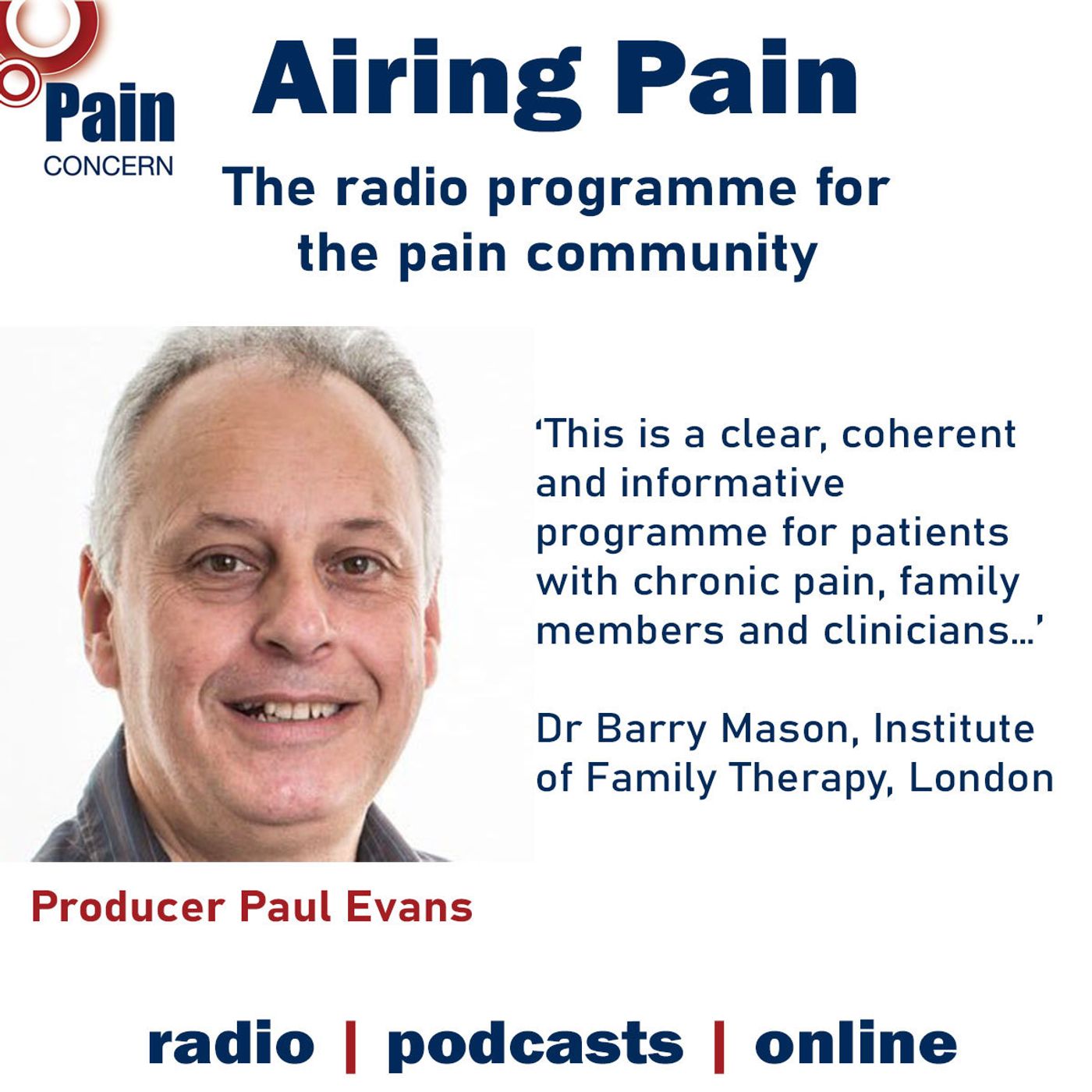
This edition of Airing Pain is on the topic of early childhood experiences. (Content warning: includes abuse, neglect, and household dysfunction) The World Health Organisation states that ‘adverse childhood experiences (ACE) can have lifelong consequences on a person’s health, and well-being, and can lead to a person developing persistent pain in later life’. A lot of this research is conducted in adults, and of course with changes in attitudes and beliefs surrounding raising children over the years, would they consider events in their childhood to be adverse? Listen to learn more about this complex discussion. Find out how this kind of trauma in formative years impacts neurobiologically on the stress response, and causes changes on a structural and functional level in the brain that can predispose young people not only to pain but depression, cardiovascular disease, behaviours with increased health risks, and can have impact on mortality. Contributors: Dr Katie Birnie, Clinical Psychologist at the University of Calgary, on the importance of validating pain in young people. Professor Lesley Colvin, Project Lead at Consortium Against Pain InEquality (CAPE) and Professor of Pain Medicine at the University of Dundee, and consultant in pain services. Jen Ford, DRAP Pain Physio & Therapy Lead at Bath Centre for Pain Services & Bristol Paediatric Pain Professor Lesley Colvin, Project Lead at Consortium Against Pain InEquality (CAPE) and Professor of Pain Medicine at the University of Dundee, and consultant in pain services. Professor Tim Hales, Project Lead at CAPE and a non-clinical Professor of anaethesia at the University of Dundee. Dr Lauren Heathcote, Senior Lecturer in health psychology at Kings College London Timestamps 2:06 Prof Tim Hales discusses the impact on ACE on chronic pain and how people respond to treatment. 7:02 Prof Lesley Colvin Professor on how ACE causes persistent pain. 16:05 Dr Lauren Heathcote discusses the psychology of pain and symptom perception in young people. 23:26 Jen Ford on the different approach required when working with children. 26:05 Dr. Katie Bernie explore the importance of children and family partnerships. Related links CAPE Consortium Against Pain InEquality Health Scotland – Adverse Childhood Experiences TED talk: Carol Dwerk – The Power of Believing you can improve Bath Centre for Pain Services Airing Pain survey Pain Concern Children and Families resources
No persons identified in this episode.
This episode hasn't been transcribed yet
Help us prioritize this episode for transcription by upvoting it.
Popular episodes get transcribed faster
Other recent transcribed episodes
Transcribed and ready to explore now
Eric Larsen on the emergence and potential of AI in healthcare
10 Dec 2025
McKinsey on Healthcare
Reducing Burnout and Boosting Revenue in ASCs
10 Dec 2025
Becker’s Healthcare -- Spine and Orthopedic Podcast
Dr. Erich G. Anderer, Chief of the Division of Neurosurgery and Surgical Director of Perioperative Services at NYU Langone Hospital–Brooklyn
09 Dec 2025
Becker’s Healthcare -- Spine and Orthopedic Podcast
Dr. Nolan Wessell, Assistant Professor and Well-being Co-Director, Department of Orthopedic Surgery, Division of Spine Surgery, University of Colorado School of Medicine
08 Dec 2025
Becker’s Healthcare -- Spine and Orthopedic Podcast
NPR News: 12-08-2025 2AM EST
08 Dec 2025
NPR News Now
NPR News: 12-08-2025 1AM EST
08 Dec 2025
NPR News Now