Menu
Sign In Search Podcasts Charts People & Topics Add Podcast API Pricing
Podcast Image

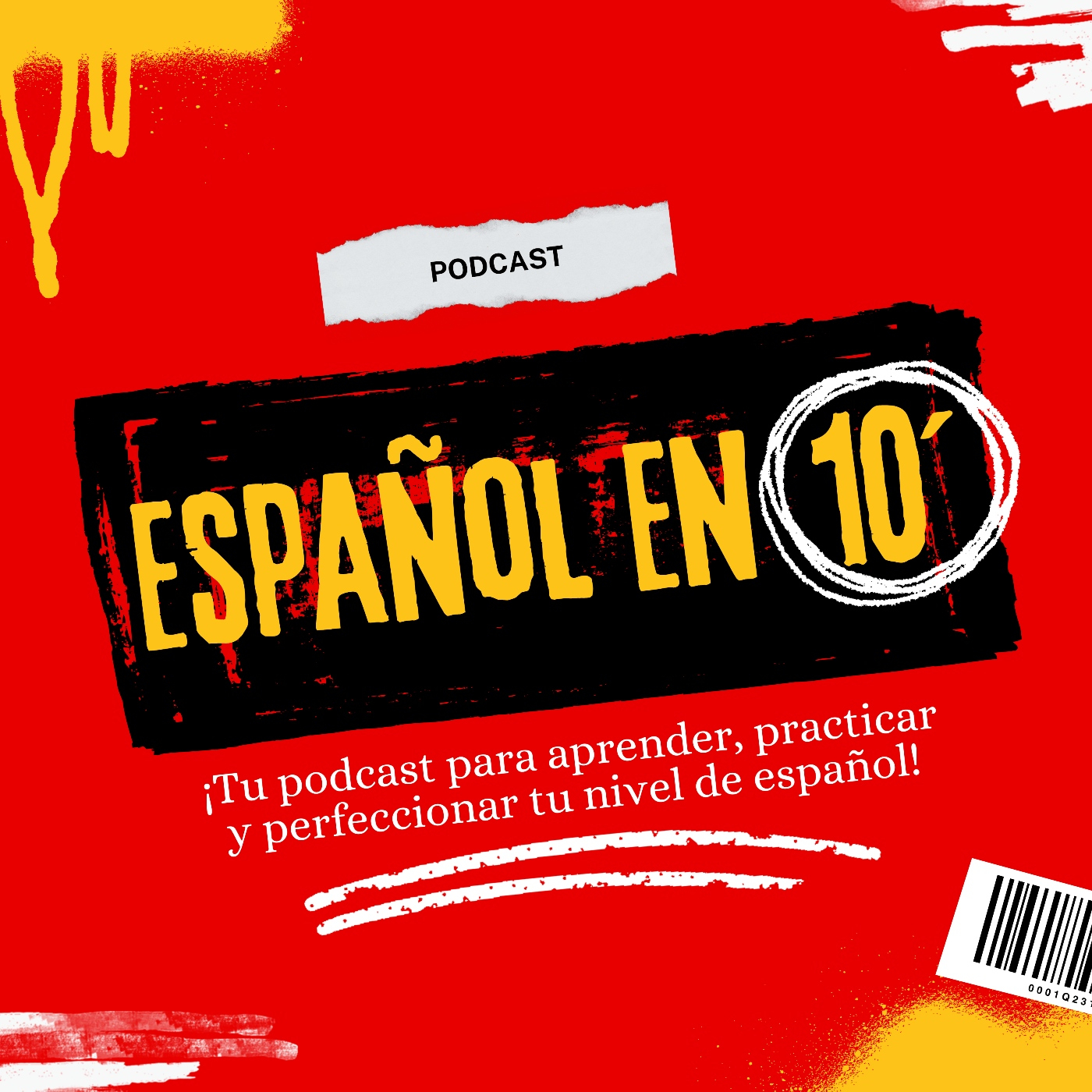
Español en 10 minutos

3x08 ¡VA DE CULPAS!

07 Nov 2024

Description

En el episodio 8 de la tercera temporada, Juan y Dani, nos explican una estructura que se usa mucho en contextos coloquiales con el objeto de mostrar una descarga o reducción de la RESPONSABILIDAD o CULPA del hablante en determinadas situaciones, como OLVIDOS, ROTURAS de objetos, PÉRDIDAS de objetos y otras más. Se trata de estructuras como OLVIDÁRSELE ALGO A ALGUIEN, PERDÉRSELE ALGO A ALGUIEN, ROMPÉRSELE ALGO A ALGUIEN y otras expresiones como PEGÁRSELE LAS SÁBANAS A ALGUIEN, QUEMÁRSELE LA COMIDA A ALGUIEN, HACÉRSELE TARDE A ALGUIEN, que siempre se construyen con un "se" IMPERSONAL y los pronombres personales de OBJETO INDIRECTO (ME, TE, LE, NOS, OS, LES), mientras que el verbo en cuestión se conjuga en 3ª PERSONA del SINGULAR o del PLURAL (dependiendo del nombre que sigue a continuación). Por ejemplo, "Se me ha perdido el reloj", Se me han roto las gafas", etc... Episodio especialmente recomendado para estudiantes de ESPAÑOL de nivel intermedio alto y avanzado (B2, C1 y C2). In episode 8 of the third season, Juan and Dani explain a structure that is often used in colloquial contexts to show a release or reduction of the speaker’s RESPONSIBILITY or BLAME in certain situations, such as FORGETFULNESS, BREAKAGE of objects, LOSS of objects, and more. These structures include phrases like OLVIDÁRSELE ALGO A ALGUIEN (SOMETHING GETTING FORGOTTEN BY SOMEONE), PERDÉRSELE ALGO A ALGUIEN (SOMETHING GETTING LOST BY SOMEONE), ROMPÉRSELE ALGO A ALGUIEN (SOMETHING GETTING BROKEN BY SOMEONE), and other expressions like PEGÁRSELE LAS SÁBANAS A ALGUIEN (SOMEONE OVERSLEEPING), QUEMÁRSELE LA COMIDA A ALGUIEN (SOMEONE BURNING THE FOOD), HACÉRSELE TARDE A ALGUIEN (SOMEONE RUNNING LATE), which are always constructed with an IMPERSONAL “se” and indirect object pronouns (ME, TE, LE, NOS, OS, LES), while the verb in question is conjugated in the 3rd person singular or plural (depending on the noun that follows). For example, "Se me ha perdido el reloj" (My watch get lost), "Se me han roto las gafas" (My glasses have broken), etc. This episode is especially recommended for intermediate to advanced SPANISH learners (B2, C1, and C2).

Audio
Featured in this Episode

No persons identified in this episode.

Transcription

This episode hasn't been transcribed yet

Help us prioritize this episode for transcription by upvoting it.

0 upvotes
🗳️ Sign in to Upvote

Popular episodes get transcribed faster

Comments

There are no comments yet.

Please log in to write the first comment.