Menu
Sign In Search Podcasts Charts People & Topics Add Podcast API Pricing
Podcast Image

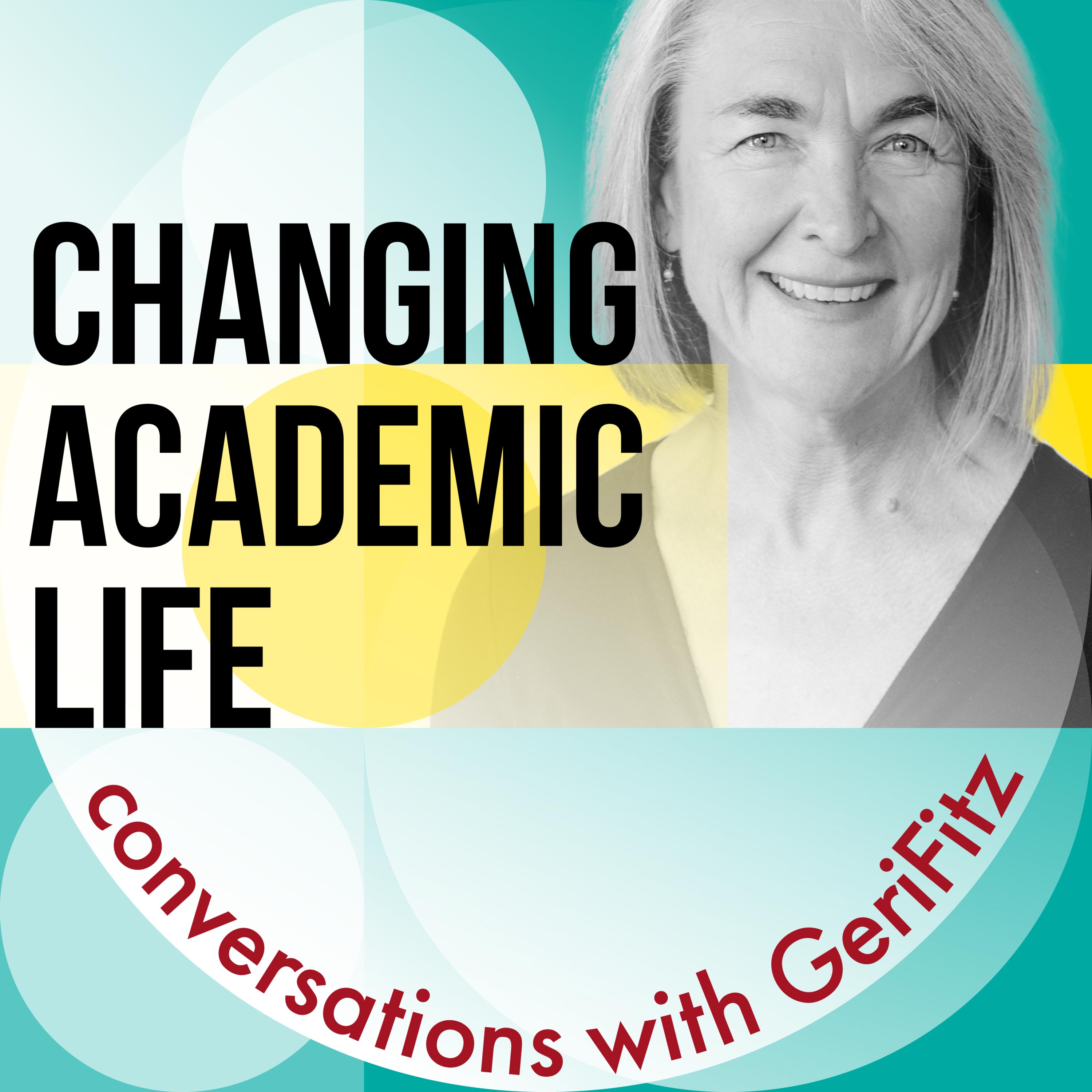
Changing Academic Life

Amy Ko on being reflectively self-aware, deliberately structured, & amazingly productive

20 Jun 2017

Description

[NOTE: UPDATE since this episode was recorded Amy transitioned and now identifies as a woman: see Amy’s blog post on ‘I’m trans. Call me Amy!” - https://medium.com/bits-and-behavior/im-trans-call-me-amy-8a72a3951964]Amy Ko is an Associate Professor in the Information School at University of Washington. Building on Amy’s blog post, “How I sometimes achieve academic work life balance”, we explore lots of different perspectives about how she works at being structured and productive. The conversation ranges from her experiences doing a start up, learning planning skills from her mother, putting them to work at college, and adapting priorities while working in industry. Now back in academia, she shares her very deliberate practices around things like managing her PhD supervision, co-writing papers, running efficient meetings, quantifying time and tasks, managing to-do lists and the like. A common theme is that these are ‘simply’ skills and habits that are developed through repeated practice, discipline and self-awareness, and working to your strengths.“That paradox of being structured and flexible at the same time… never enough time to do all the things we want to do… so there has to be flexibility… The only thing you can predict is how much time we have.”“We all have different skills…and abilities to be self-aware and disciplined …most of this is practice… For anybody thinking about how to use their time more effectively they just have to first think about what skills they already have and... how to build practices around them… slowly incrementally over time… Much more about a process of learning and being reflective…and less about borrowing a particular strategy.”She talks about (times approximate) …1:54 Amy’s background and research area, and taking time in sabbatical to read deeply about learning science to support current research4:04 Sabbatical just after tenure, and its relation to taking two year’s leave to do a start-up, “a good stressor on my productivity skills”, clear trajectory from career grant to start-up6:14 The start-up process story – wanting to apply research in practice, and different goals of co-founder, resolving conflict of interests, getting in touch with potential customers, raising venture capital, building team and product, market plan; support of faculty important09:44 Lessons learnt? Biggest mistake, not doing enough user research, forgetting enterprise customers were also users11:54 Coming back to academia, hiring replacement CEO, CTO, and ongoing involvement as chief scientist (patent work and strategic R&D), now 1 day a week for the company13:14 Previously working 60 hours a week, conversations with families/kids and getting consent from them re not being so available and ok with it, becoming talented at productivity, needing to be ruthless about protecting time and using it wisely15:24 Fundamental idea of having to invest time, economic model of how much time committed to different parties, “doing the most I can within that time” and then context switching17:05 Compromises? Being present in the company 8-6 every day, then needing to be flexible eg meeting with students in evenings or at lunch; accepting research having to go slower, with result of sometimes helping eg student having to grow, and sometimes not; becoming more reflective about how much he gave and how much was needed19:25 For supporting students with publications: “What’s the thing that they need to me, it’s not so much about how much time they...

Audio
Featured in this Episode

No persons identified in this episode.

Transcription

This episode hasn't been transcribed yet

Help us prioritize this episode for transcription by upvoting it.

0 upvotes
🗳️ Sign in to Upvote

Popular episodes get transcribed faster

Comments

There are no comments yet.

Please log in to write the first comment.